
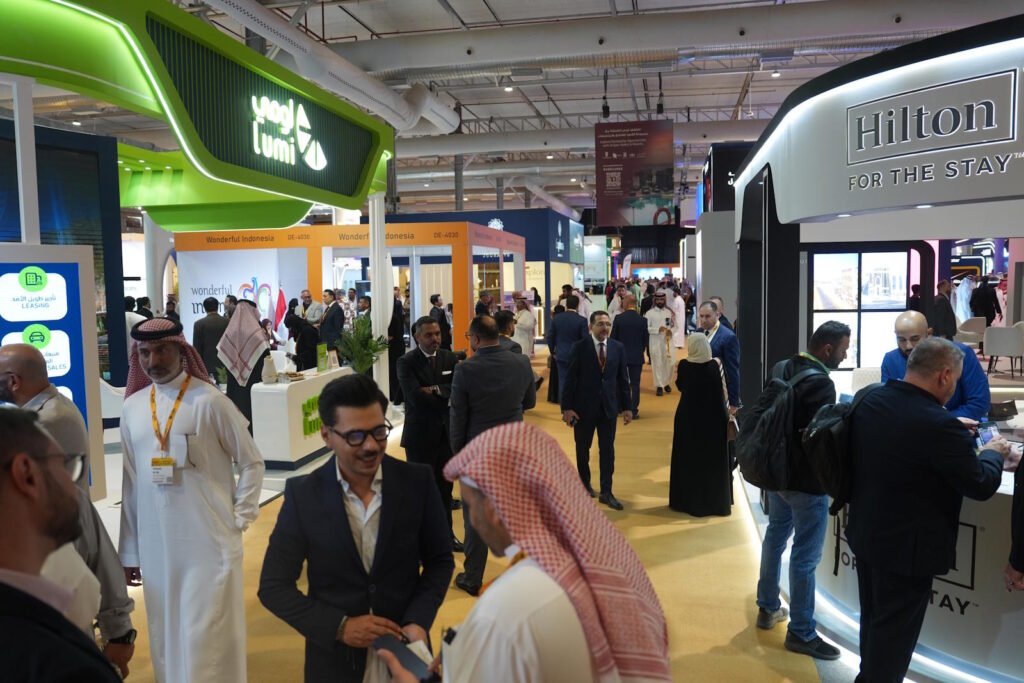
WTM Spotlight Riyadh, taking place 8–10 September 2026 at RFECC in Riyadh, highlights Saudi Arabia’s rapid transformation into a major global tourism market
- International leisure tourism is projected to grow 93% between 2025 and 2030, compared with 64% for the Middle East and 30% globally.
- Saudi Arabia’s international travel grew 67% from 2019 to 2025, far exceeding Middle Eastern growth of 20% and global growth of 5%.
- The Kingdom generated roughly three-quarters of the Middle East’s international travel growth during this period.
- International leisure spending rose sharply, from 9% of visitor spending in 2019 to 28% in 2025, and is expected to reach 31% by 2030.
- Chinese tourism is seen as an important growth opportunity. About 52% of Chinese travel agents surveyed already sell Saudi Arabia, while 32% see it as a destination with strong future potential.
- Luxury Chinese travellers are particularly promising: 42% of surveyed agents identified high-net-worth/luxury travellers as having the strongest growth potential in the MENA region.
- Chinese travellers show strong interest in nature and scenery (54%), adventure/outdoor activities (45%), museums and cultural landmarks (41%), local interactions (41%), and luxury resorts (37%).
- Riyadh’s hotel market is expected to remain strong, with RevPAR forecast to grow 18.6% in 2027, driven by returning corporate and consultancy demand.
- Jeddah is also benefiting from domestic and international demand, particularly summer tourism and Hajj/Umrah traffic, although rapid hotel development—with more than 2,300 new rooms expected in 2027—could put pressure on performance.
- Both Riyadh and Jeddah are expected to see stronger MICE (Meetings, Incentives, Conferences and Exhibitions) demand.
The report portrays Saudi Arabia as moving beyond a primarily regional tourism market toward a global, higher-value tourism powerhouse. The next phase of Vision 2030 is expected to focus not only on increasing visitor numbers but also on attracting luxury, leisure, Chinese and business/MICE travellers, while expanding the hospitality and tourism infrastructure needed to support that growth.